
Introducing Product Carbon Footprinting: strengthening resilience across our value chain
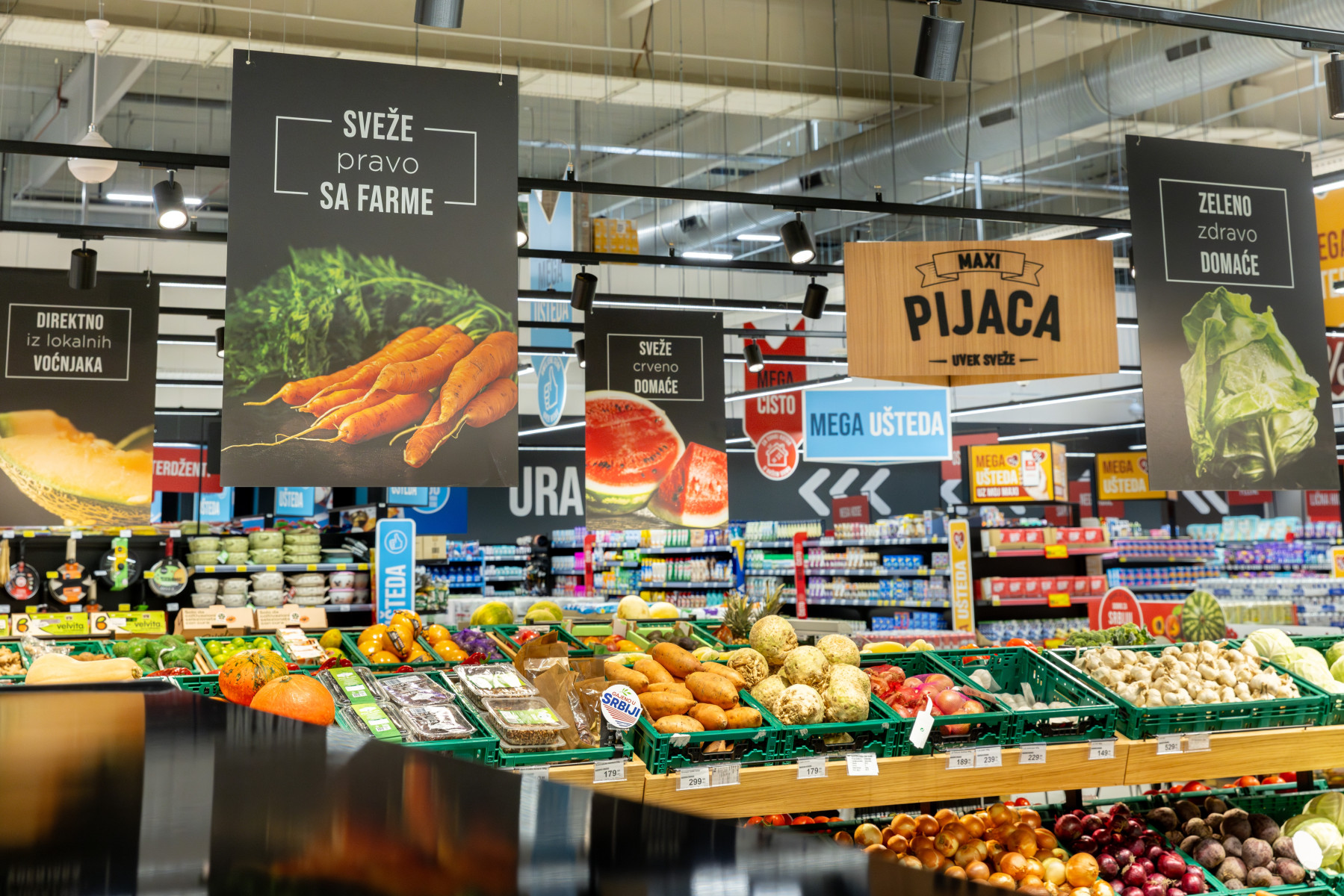
April 7, 2026 – Every product sold in our brands’ stores has a journey behind it, one that begins on a farm, in a factory, or at a production site, and continues through processing, packaging, and transport before it reaches our brands’ customers. Along the way, each step has environmental impacts and dependencies, and carries business considerations such as cost, reliability and long-term availability.
For Ahold Delhaize, this matters greatly. Around 95% of the total greenhouse gas footprint that we report sits in our value chain (scope 3), and 80% of that is linked to the emissions associated with the products we sell. With hundreds of thousands of products sourced from thousands of suppliers and farmers around the world, our value chain is large, diverse and complex. Understanding these impacts more precisely is essential to managing risk, strengthening resilience, and making informed business decisions.
Until now, we have largely relied on industry-average data to estimate the emissions of the products we sell. While this has been an important starting point, averages do not show where risks concentrate, where suppliers are making real progress, or where the biggest opportunities lie.
To move forward, we need a clearer, more decision-useful view. That is why Ahold Delhaize is transitioning to Product Carbon Footprinting (PCF) for our purchased goods.
What Product Carbon Footprinting means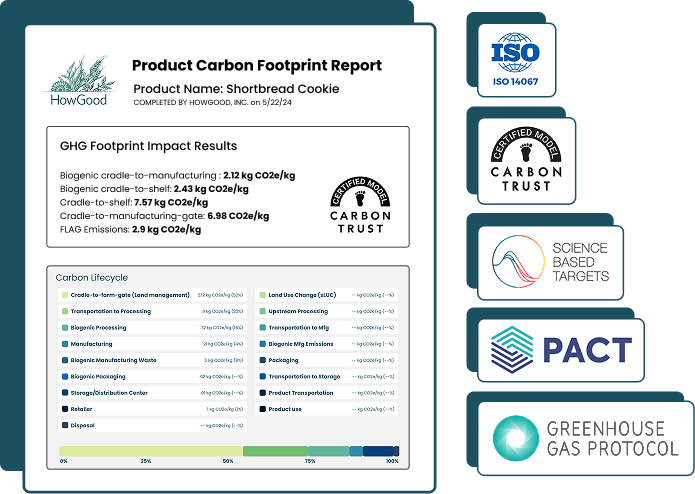
PCF looks at each product individually and measures the emissions created throughout its lifecycle. Instead of estimating emissions based on broad categories or spend-based factors, PCF helps us understand the climate impact of specific ingredients, production methods, and supply chains as much as possible. It gives us a clearer, more detailed representation of where emissions occur across our assortments and better reflects real supplier practices and improvements.
While PCF still includes some assumptions and will evolve over time, it provides a much stronger foundation for understanding what drives our impact and where action will matter most.
Why this transition matters
Moving to PCF is not just about improving emissions data. It is about equipping our business with better insight to navigate a fast-changing world. With product-level information, we can:
- Prioritize actions that strengthen long-term supply resilience and food security.
- Better recognize and support suppliers who are investing in lower-impact production.
- Inform decisions on assortment, sourcing, and innovation.
- Better identify where supply chains may be more vulnerable to climate and cost pressures.
- Unlock new opportunities to reduce emissions across our value chain.
- In short, this shifts us from managing overall emissions to better managing risk and opportunity across our value chain.
Working with partners and suppliers
To support this transition, we are partnering with HowGood, to build product-level insights across our assortments. We will also work directly with suppliers – through the HowGood platform and one-on-one engagement – to gather better data and reflect the actions they are taking to reduce their footprint.
This collaboration is essential. Progress at scale depends on working together across the value chain and grounding decisions in how food is produced.
We are also contributing to broader industry efforts to help establish more consistent approaches to product-level emissions data, including the WBCSD Partnership for Carbon Transparency (PACT) and the Global Sustainability Transition Alliance (GSTA), a program delivered by the Waste and Resources Action Programme (WRAP) and Wageningen University and Research.
Revisiting our baseline
As PCF provides a more accurate and detailed view of our emissions, we will recalculate our 2020 scope 3 purchased goods baseline to ensure full comparability over time. Any changes will reflect improved data quality, not a change in our targets or underlying performance.
Looking ahead
The transition to PCF is not an end in itself. It is a step toward building a more resilient business. Better product-level insights will help us decarbonize our value chain. And more importantly, strengthen supply security, support suppliers through transition, and enable better commercial decisions over time.
In a more volatile and resource-constrained world, this level of insight is becoming essential to how we operate.
For more information about our climate agenda as part of our Healthier Communities and Planet strategic priority, please visit our Annual Report.